Unveiling the Environmental Impact of Waste
Have you ever paused to ponder the real repercussions of waste on our precious planet? Let’s embark on a journey to unveil the sobering truth about waste and its profound impact on our environment.
Exploring Waste and Its Ramifications
Waste pervades every corner of our world, quietly wreaking havoc on the environment in ways often overlooked. In this discourse, we’ll delve into the environmental fallout of waste in a manner akin to a heartfelt conversation with a concerned friend. Expect simplicity in language, an active narrative, and a perspective tailored to resonate with you, the reader.
The Triad of Truth, Intrigue, and Enlightenment
To keep you attuned to our narrative, we’ll anchor our discussion on three foundational principles: factual accuracy substantiated by evidence, captivating anecdotes to engage your interest, and actionable insights to empower you to effect change. But that’s not all; sprinkled throughout, we’ll sow seeds of curiosity to maintain your engagement and foster a hunger for further enlightenment.
As we unravel the environmental impact of waste, we aim to stay one step ahead, pre-empting concerns and addressing them succinctly. Now, let’s delve into the heart of the matter.
The Dire Environmental Toll of Waste
- Landfills: An Escalating Crisis
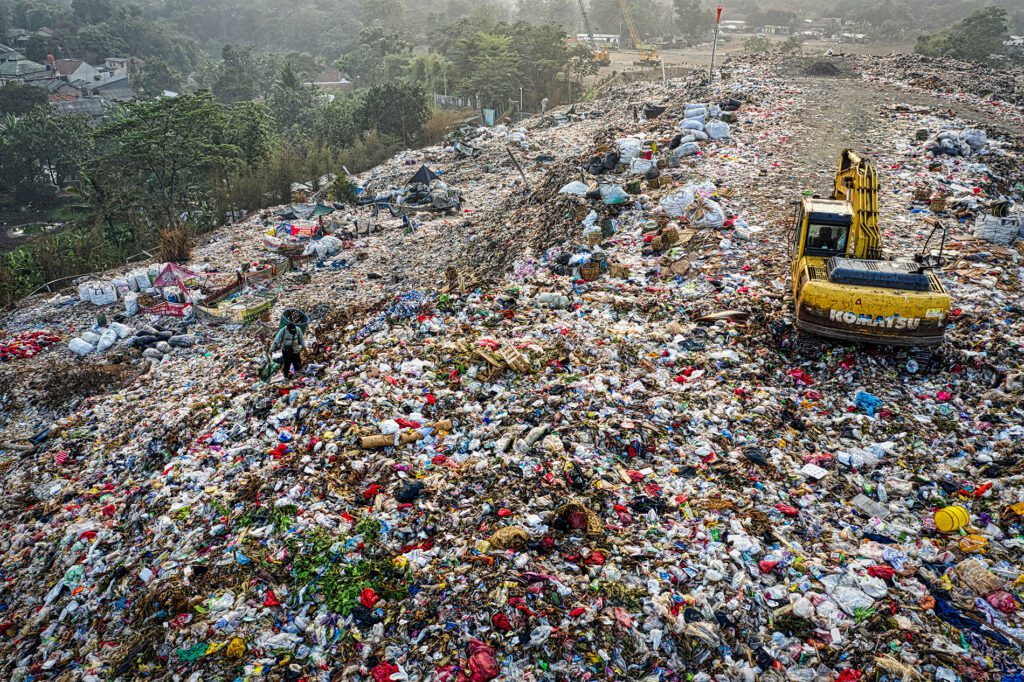
Landfills, once hailed as a solution to waste disposal, have metamorphosed into environmental quagmires. As these sites swell with refuse, they encroach upon pristine landscapes, displacing wildlife and fragmenting ecosystems. Moreover, the decomposition of organic matter within landfills generates methane, a greenhouse gas with a potency far exceeding that of carbon dioxide. Methane emissions from landfills contribute significantly to climate change, exacerbating global warming and its attendant calamities. To mitigate this escalating crisis, a paradigm shift in waste management strategies is imperative.
- Plastic Pollution: Assaulting Our Seas
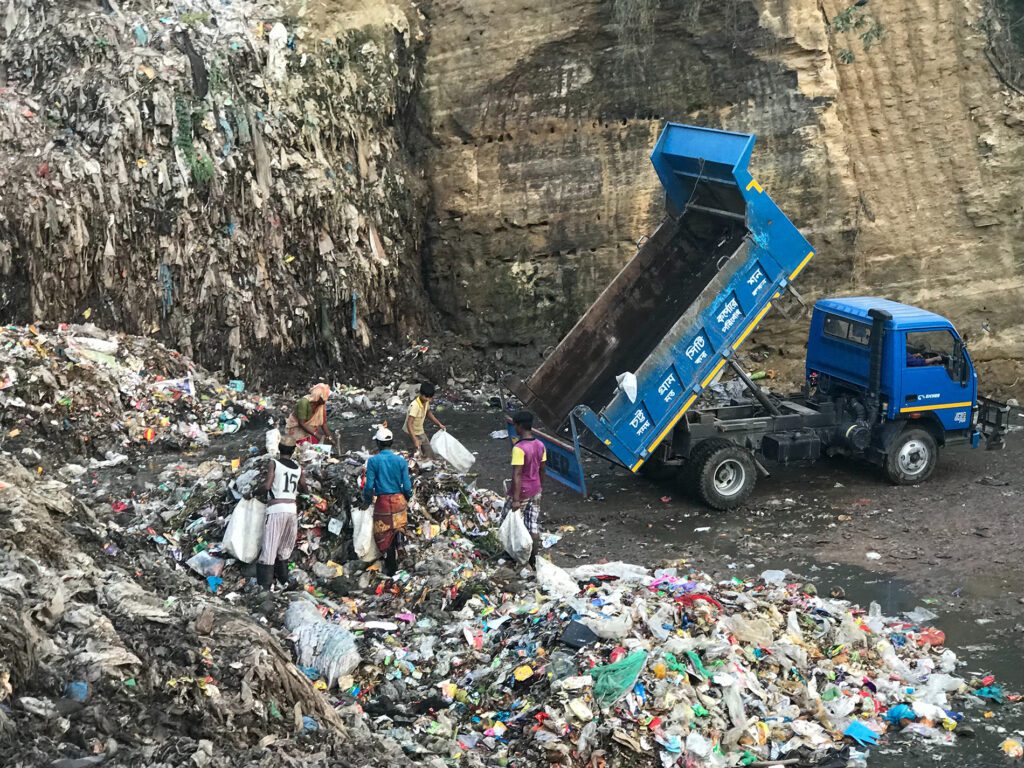
Plastic pollution represents an insidious threat to marine ecosystems, suffusing our oceans with a noxious cocktail of synthetic polymers. From disposable bottles to single-use bags, plastic products inundate waterways, enduring for centuries and wreaking havoc on marine life. Sea turtles mistake plastic bags for jellyfish, while seabirds fall victim to entanglement in discarded fishing gear. The proliferation of microplastics, minuscule particles resulting from the breakdown of larger plastic items, further compounds the issue, infiltrating marine food webs and posing risks to human health. Addressing this pervasive problem demands concerted efforts to reduce plastic consumption, embrace sustainable alternatives, and engage in widespread cleanup initiatives.
- E-Waste: A Looming Menace
In our digital age, the ubiquity of electronic devices has precipitated a deluge of electronic waste, or e-waste, with staggering ramifications. From discarded smartphones to obsolete laptops, electronic gadgets inundate landfills, leaching toxic compounds into surrounding ecosystems. Heavy metals such as lead, mercury, and cadmium, prevalent in electronic components, pose grave risks to environmental and human health. Improper disposal methods, including incineration and landfilling, exacerbate the problem, releasing hazardous chemicals into the air and soil. To mitigate this looming menace, recycling initiatives offer a promising avenue for resource recovery and pollution prevention. By dismantling electronic devices and extracting valuable materials for reuse, recycling facilities not only mitigate environmental pollution but also alleviate the strain on finite natural resources.
- Food Waste: A Global Dilemma
Food waste, a pervasive issue afflicting both developed and developing nations, exacts a heavy toll on the environment and human welfare. From farm to fork, a significant portion of the world’s food production goes to waste, squandering vital resources and exacerbating food insecurity. Rotting food releases methane, a potent greenhouse gas, into the atmosphere, exacerbating climate change and its attendant calamities. Moreover, the production of uneaten food entails a staggering expenditure of water, energy, and land, further straining ecosystems and exacerbating environmental degradation. To combat this global dilemma, concerted efforts are needed to minimize food waste at every stage of the supply chain, from production and distribution to consumption. By embracing sustainable agricultural practices, improving storage and transportation infrastructure, and promoting consumer education, we can reduce food waste and forge a more equitable and sustainable food system for future generations.
- Wildlife Impact
Wildlife, the irreplaceable denizens of our planet, confront an existential threat in the form of waste pollution. Plastic debris, ubiquitous in terrestrial and marine environments alike, ensnares unsuspecting animals, ensnaring them in a lethal embrace. Marine mammals, seabirds, and turtles fall prey to entanglement, suffering injuries or death as a result of encounters with discarded fishing gear or plastic packaging. Ingestion of plastic debris poses an equally grave risk, as animals mistake brightly colored fragments for food, leading to digestive blockages or internal injuries. The ramifications extend beyond individual animals to encompass entire ecosystems, as disruptions in food chains and habitat degradation precipitate cascading ecological consequences. To safeguard wildlife from the pernicious effects of waste pollution, concerted efforts are needed to mitigate plastic pollution, engage in habitat restoration initiatives, and promote environmental stewardship among communities.
Pragmatic Remedies for a Sustainable Tomorrow
Mitigating our environmental footprint commences with modest yet meaningful adjustments in our daily routines. By amalgamating efforts to reduce, reuse, and recycle, we can substantially curb waste production and mitigate its environmental repercussions.
In Conclusion: Waste Less, Thrive More
The environmental ramifications of waste are indisputable, yet it’s not too late to effect change. Armed with knowledge and resolve, we can chart a course towards a verdant future for ourselves and posterity.