

An Innovative Approach to tackling the Environmental Threat of Diaper Waste
In our increasingly eco-conscious world, one of the pressing issues we face is the environmental impact of Absorbent Hygiene Products (AHP), particularly nappies and diapers. These essential items, while indispensable for daily life, pose a significant threat to our environment. Each year, approximately 700,000 tonnes of AHP waste, including diapers and feminine hygiene products, are generated and improperly disposed of, especially in rural and informal settlements. This problem is exacerbated by the fact that traditional diapers can take up to 500 years to decompose.
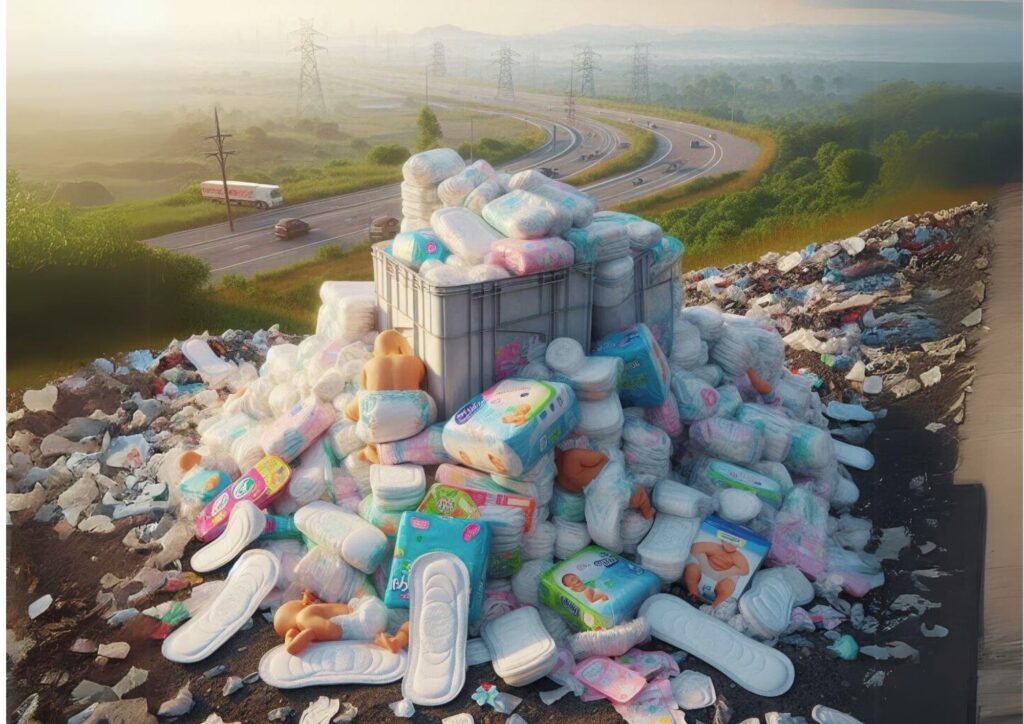
The Environmental Impact of Diaper Waste
Diapers are made from a complex blend of materials, including plastics, adhesives, and superabsorbent polymers. These components make them highly effective at their job but also extremely resistant to natural decomposition. When discarded, they not only occupy significant landfill space but also contribute to soil and water pollution. The prolonged decomposition process of diapers results in the continuous release of harmful substances into the environment, impacting soil quality and contaminating water sources.
Additionally, the improper disposal of AHP waste in informal settlements leads to severe public health issues. Piles of decomposing diapers become breeding grounds for disease-causing vectors, such as flies and mosquitoes, which pose a health risk to local communities.
Emerging Technological Solutions
Despite these challenges, innovative technologies are emerging that offer hope for a more sustainable future. The Asher is one such technology. Using Plasma Pyrolysis the Asher is able to convert diapers and AHP products into ash, that can be used to manufacture blocks and bricks.
Implementation and Community Impact
The Department of Forestry, Fisheries, and Environment (DFFE) is leading the charge in South Africa to harness these emerging technologies. The plan involves establishing AHP processing plants in industrial zones to minimize odor and dust nuisances. These plants will undergo thorough environmental assessments and develop Environmental Management Programs (EMPr) to ensure compliance with environmental standards.
The implementation of these plants promises significant benefits:
- Job Creation: Each plant is expected to employ 5-7 people permanently, with additional employment opportunities in waste collection and processing.
- Community Benefits: By diverting AHP waste from the environment, local communities, especially those near illegal dump sites, will experience cleaner, healthier surroundings.
- Environmental Sustainability: Recycling AHP waste reduces greenhouse gas emissions and extends landfill lifespan. RDF produced from this waste can replace conventional fossil fuels, decreasing reliance on coal, gas, and electricity.
Moving Forward
Addressing the diaper waste problem requires a multi-faceted approach involving technology, community engagement, and government support. Establishing a pilot plant to test the feasibility and scalability of these technologies is the first step. Engaging stakeholders from various sectors and securing funding will be crucial to the project’s success.
In conclusion, the challenge of diaper waste is significant, but with innovative technological solutions and collaborative efforts, we can transform this environmental threat into an opportunity for sustainable development. By investing in AHP processing plants, we not only tackle a critical environmental issue but also promote economic growth and improve public health.
Let’s join hands to support this groundbreaking initiative and pave the way for a greener, cleaner future.
By understanding the current problems with AHP waste and embracing innovative solutions, we can make significant strides in protecting our environment and enhancing the quality of life for communities worldwide. Stay tuned for more updates on this exciting journey towards sustainability.


